
About Us
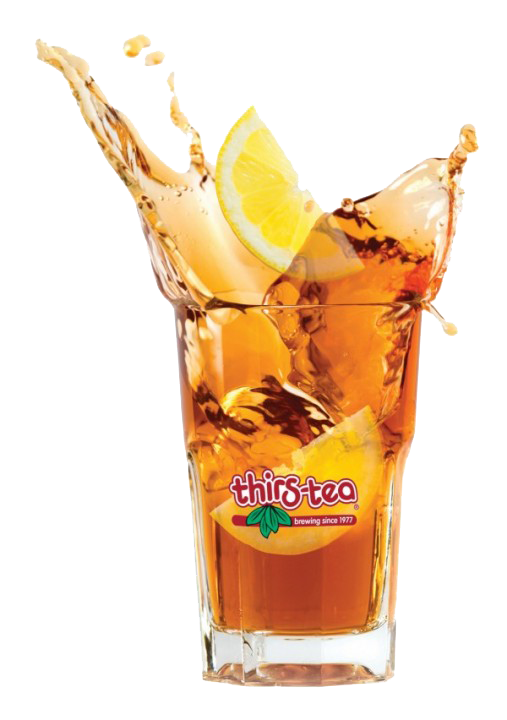
Quality Ingredients, Quality Iced Tea Concentrate Since 1977
Our iced tea concentrates are made from a blend of carefully selected tea leafs and processed under strict conditions, to ensure a final product that is not cloudy or bitter. Our ingredients are used in non-alcoholic beverages, desserts (both dairy and non-dairy), and to flavor spirits. ThirsTea™ concentrates can improve any beverage manufacturer, food service provider, or restaurant product line.
Commercial Iced Tea Concentrates
ThirsTea™ is created from top quality tea leafs, brewed to perfection, then concentrated. ThirsTea™ has the aroma, color, and flavor profile of a freshly brewed iced tea with all the benefits of a liquid tea concentrate – ease of use, consistency, and no waste. Available in unsweetened tea, sweet tea, raspberry tea, and peach tea flavors, ThirsTea™ tea concentrates will always taste fresh, never bitter – that’s a promise we’ve kept for over 40 years!